Iridology constitution types
Written by Boyan Minev, Founder · Last reviewed June 6, 2026
In iridology, your constitution type is the big-picture starting point of a reading. It’s set by the base colour and fibre structure of your iris, and it shapes how everything else — the markings and colours in each zone — is interpreted. There are three primary types.
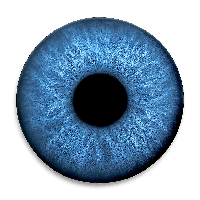
Lymphatic (blue / grey iris)
The Lymphatic constitution has a blue or grey iris. In the tradition it’s associated with the lymphatic and respiratory systems, and a tendency toward fluid retention or congestion. Wellness guidance often leans toward supporting drainage and circulation — movement, hydration, and foods that feel light rather than heavy.
Hematogenic (brown iris)
The Hematogenic constitution has a brown iris. It’s linked in iridology to the circulatory and digestive systems and to mineral balance. Typical guidance focuses on digestion, blood and mineral support, and a nutrient-dense diet.
Biliary / Mixed (green / hazel iris)
The Biliary or Mixed constitution — a green or hazel iris — is a combination type, often read with attention to the liver and digestive system. Guidance commonly emphasises gentle liver support and steady, balanced eating.
Why your type matters for your plan
Two people can share the same marking in the same zone and still need different things, because their constitution is different. That’s why a good reading starts with type. Iris AI identifies your constitution as part of its 12-zone analysis and tailors its diet, herb, nervous-system, emotional, and movement suggestions accordingly — the same way a practitioner would adjust their advice to the person in front of them.
Keeping it honest
Constitution types are a feature of iridology’s own framework, a complementary wellness practice — not a clinical classification, and not a diagnosis of anything. Iris AI offers wellness insights only. For medical concerns, please consult a qualified healthcare professional.